


Getty images
Longer days and lighter schedules make summer perfect for relaxing, having fun outdoors and spending time with loved ones. However, more physical activity and time spent in the sun can also translate to increased health and safety risks.
As you and your family enjoy the warmth and sunshine while swimming, biking, grilling, playing on the playground and more this summer, remember these precautions from the experts at the American Heart Association.
Watch for signs of heat stress
On hot summer days, be alert for signs of heat illnesses, such as heat cramps, heat exhaustion or heat stroke. Even when it doesn’t seem extreme, heat and humidity can take a toll. Some signs of heat-related illness include muscle pain, cramps or spasms, heavy sweating, paleness, dizziness, headache, nausea or vomiting, confusion, fainting or unconsciousness, high body temperature (greater than 100 F) with dry skin and rapid pulse.
If you experience any of these symptoms, take a break, drink some water and find shade or air conditioning to cool off. If symptoms worsen or vomiting occurs, seek medical attention.
Stay hydrated
Staying hydrated is important for optimal body functioning, especially during the hot and humid months. If you plan to spend a lot of time outdoors, frequently consuming water and foods with high water content — melons, lettuce and cucumbers, for example — can help replace fluids lost through sweat.
Be aware of the signs and symptoms of mild dehydration, including a dry or sticky mouth, dry cool skin, headache or muscle cramps. More severe symptoms may include dry, shriveled skin, irritability or confusion, dizziness, rapid heartbeat, rapid breathing, fatigue and unconsciousness.
Learn CPR
As summertime activities expose people of all ages to risks, it’s important to be trained in CPR, or cardiopulmonary resuscitation, an emergency lifesaving procedure performed when the heart stops beating.
If performed immediately, CPR can double or triple a cardiac arrest victim’s chance of survival, according to the American Heart Association. However, only about 40% of people who experience out-of-hospital cardiac arrest receive help before professionals arrive.
Because about 74% of adult and 87.5% of child out-of-hospital cardiac arrests happen in homes, you will likely be trying to save the life of someone you love — a child, spouse, parent or friend — if called upon to perform CPR.
Hands-Only CPR is recommended for members of the general public who see someone suddenly collapse. Call 9-1-1, or send someone to do so, then push hard and fast in the center of the person’s chest until medical assistance arrives. Use an AED, if available, following the prompts.
Protect skin from the sun
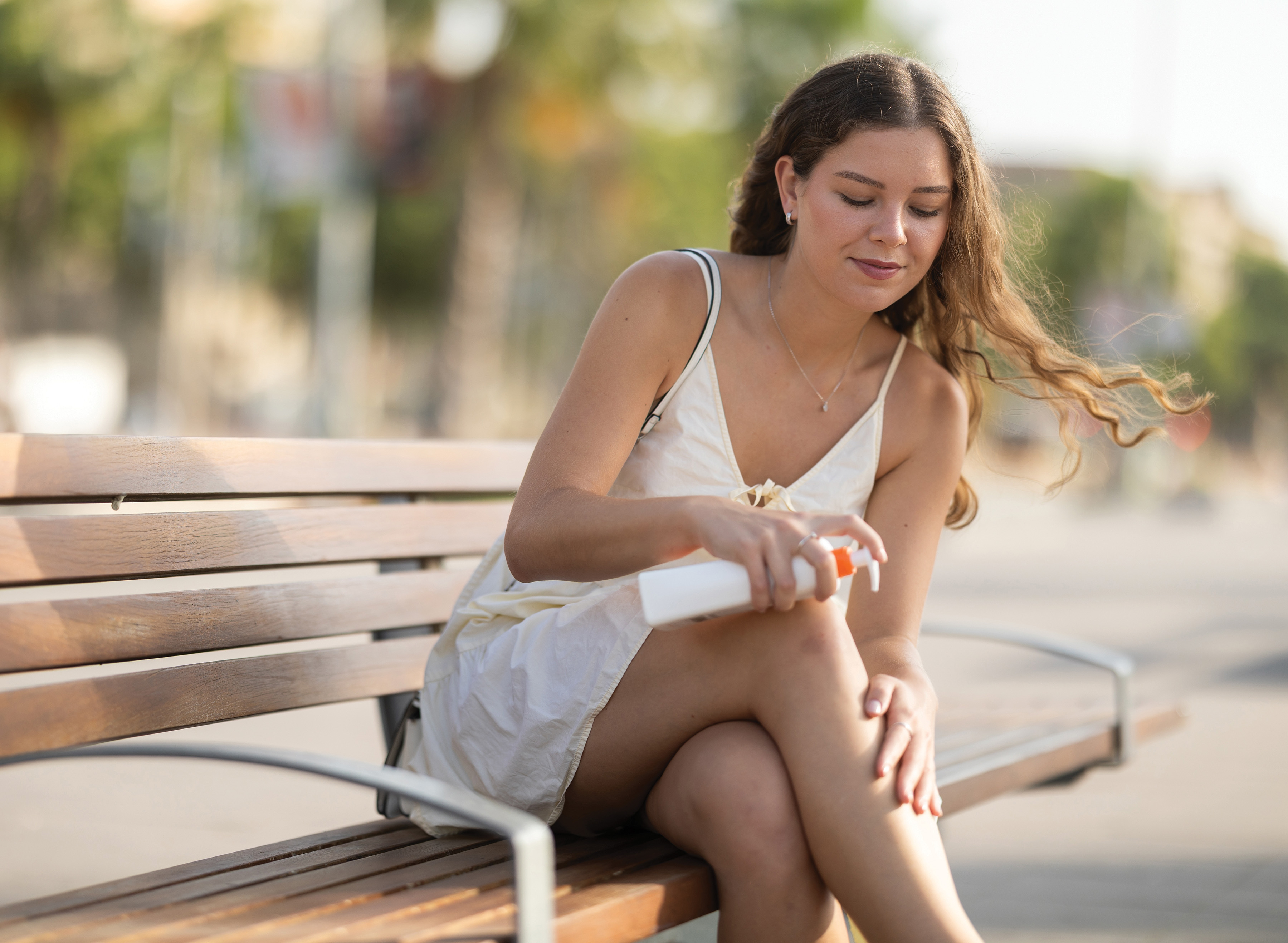
While it’s easy to get caught up enjoying activities outdoors, remember to protect your skin from the sun’s damaging rays. Limit your time in the sun, especially during midday hours when rays are strongest, and wear sunscreen to help reduce the risk of sunburn, skin cancer and premature skin aging.
Experts recommend sunscreen with an SPF of 30 or higher. Wearing sunglasses, a hat and cool, long-sleeved clothing can further limit exposure when outdoors for long periods of time.
Play safe
Each year, emergency departments treat more than 200,000 children under age 14 for playground-related injuries, according to the Centers for Disease Control and Prevention.
Choose age-appropriate parks and playgrounds and keep precautions like these in mind: teach children to take turns, discourage pushing or roughhousing, check metal slides before use to prevent burns, remind children to be careful near moving swings and encourage one child at a time on slides.
Also use proper protective gear for activities like biking or watersports and keep a first-aid kit on hand with bandages, gauze pads, medical tape, antibiotic ointment, antiseptic wipes or spray and aspirin.
Swim safely
Whether enjoying a pool, beach, lake or river, bodies of water can be dangerous if precautions aren’t taken. Drowning is among the top five causes of unintentional injury death in the United States, according to the CDC.
Avoid swimming alone, especially in natural bodies of water that may present strong currents or underwater obstacles, and don’t overestimate your swimming ability.
Designating an undistracted “water watcher,” wearing life jackets, ensuring someone in your group knows CPR and avoiding alcohol consumption are also safe practices.
Be smart with fire
Firing up the grill and lighting fireworks are often synonymous with summertime, but open flames pose safety hazards.
Never leave a grill unattended, always grill outdoors and keep children and pets away from the grilling area.
When using fireworks, keep a safe distance once lit, don’t point fireworks toward anyone’s face or body, never allow young children to play with them, avoid relighting fireworks that do not function properly and keep a bucket of water or fire extinguisher nearby.
For more tips on CPR and first aid, visit cpr.heart.org or download the Knowledge Booster app.
Enjoying this column? Let us know. Support your local community newspaper — subscribe to The Wylie News.











0 Comments